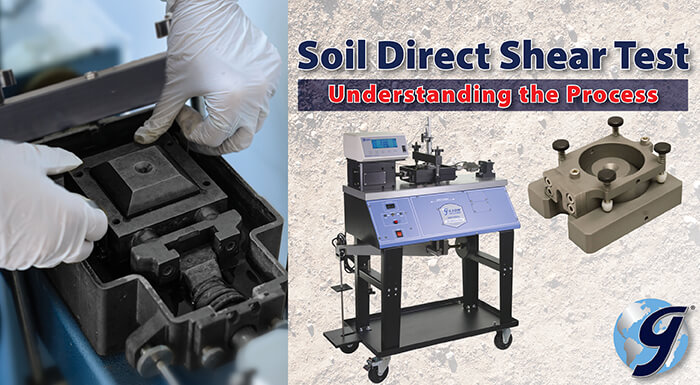
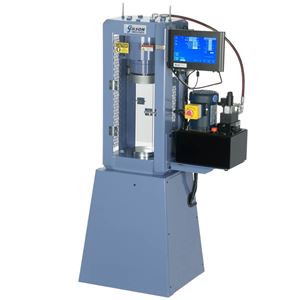
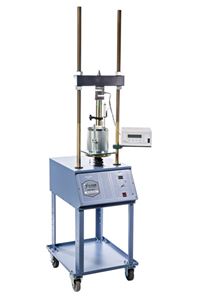
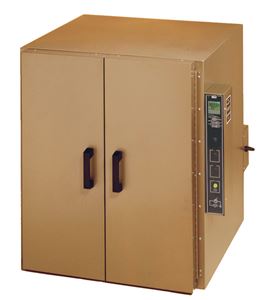
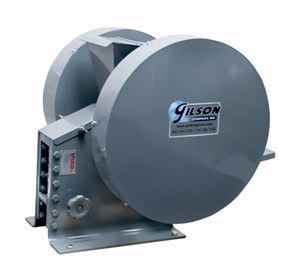

This blog provides an informative guide on why direct shear testing is essential, and we guide you on what equipment you need to perform the test based on ASTM D3080 and AASHTO T 236.
Have questions about your materials testing equipment? We have the answers to these questions and much more right here! Check back monthly for long-form blog posts, how-to guides and infographics. We’ll address industry insights, the operation and maintenance of specific equipment, and our product line recommendations, all designed to better serve you.
Bookmark this page, add it to your RSS reader, or subscribe to our newsletter, so you never miss a hot topic.
This blog provides an informative guide on why direct shear testing is essential, and we guide you on what equipment you need to perform the test based on ASTM D3080 and AASHTO T 236.

In this month's blog, we examine the civil engineering laboratory equipment needed for typical operations performed where field laboratories for construction materials testing are required. With so many possible variations in specific project requirements, we break it down by application.
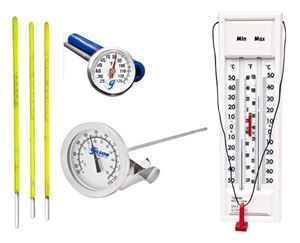
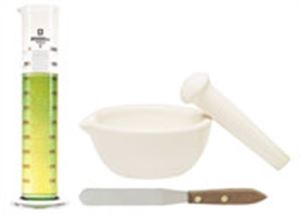
In this blog, it will discuss setting up and furnishing temporary field-testing labs with essential laboratory equipment. Field labs are generally limited to a few particular tests, but no matter the material, most require the same essentials to measure properties like size, weight, and moisture.
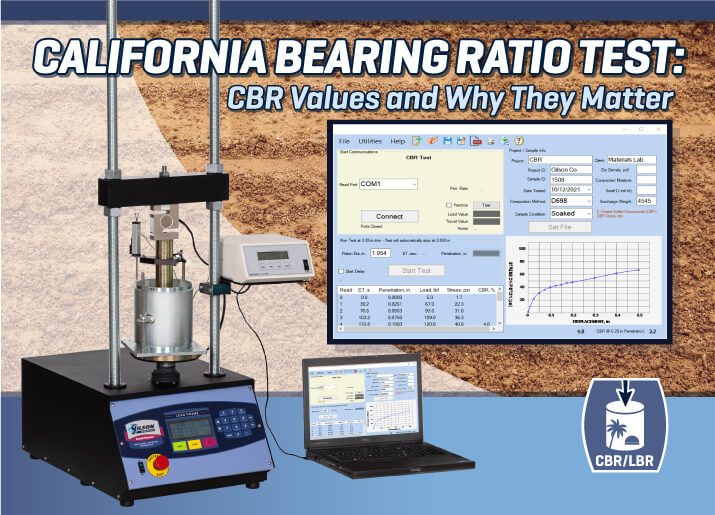
In this blog post we discuss why it is important to perform strength tests of soil subgrades for pavement design, and also review what is needed for each type of test method whether it be in the lab or out in the field including the DCP test.
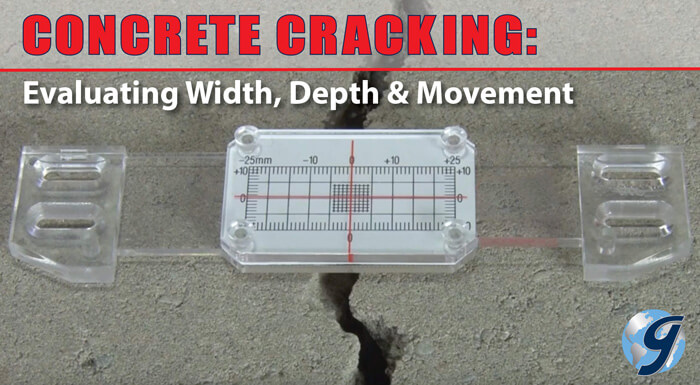
Cracks in concrete are so common that they're practically inevitable. The good news is, not all of them are bad. The bad news is, sometimes it's hard to tell the difference. In this blog post, we will discuss how best to measure and monitor cracks and select the best equipment for the job.
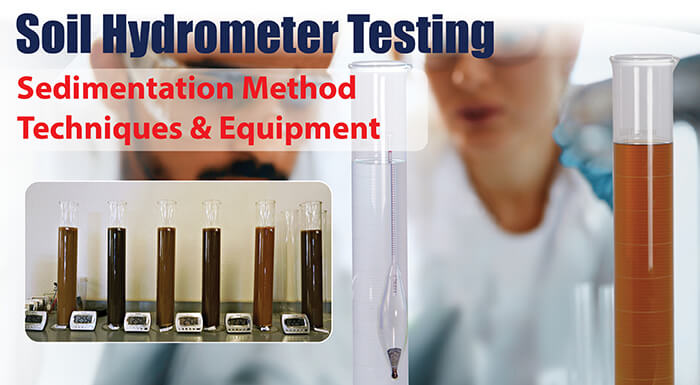
Measuring the particle size distribution of fine-grained soils like clay and silt is best performed using the soil hydrometer test. In this blog post, we provide some guidance from sample prepping to performing the test procedure by following the ASTM D7928 standard test method.
Most materials have a lower size limit where sieving with a sieve shaker is no longer sufficient, and the agitation necessary for particle separation starts to break down and destroy some fragile materials. Particles in some substances resist separation and clump together due to electrostatic or moisture issues. For many years, these problems limited the effectiveness of measuring particle size by sieving. This article tells the story of how one man pushed back those boundaries.
Test sieves are an efficient, productive, and economical means of characterizing the gradation of dry granular materials. However, the sieving method is not without limitations. If obstacles seem to be making it difficult to produce accurate, repeatable results for finer sizes, Sonic Sieving may be the answer.
"…[Hydraulic] cement can't be characterized as just one material."
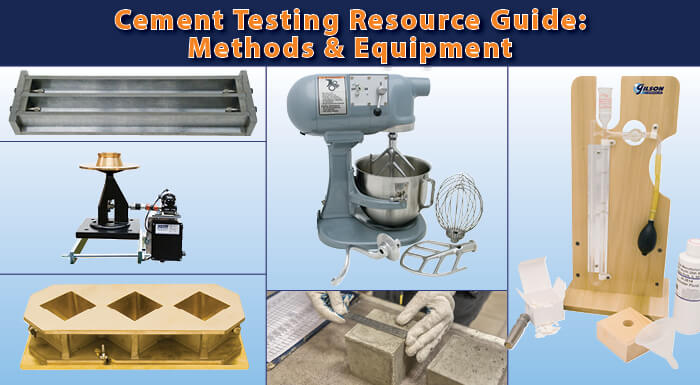
In this blog, we discuss what specifications define hydraulic cement and their use, as well as test methods and which testing equipment to use for your test application.
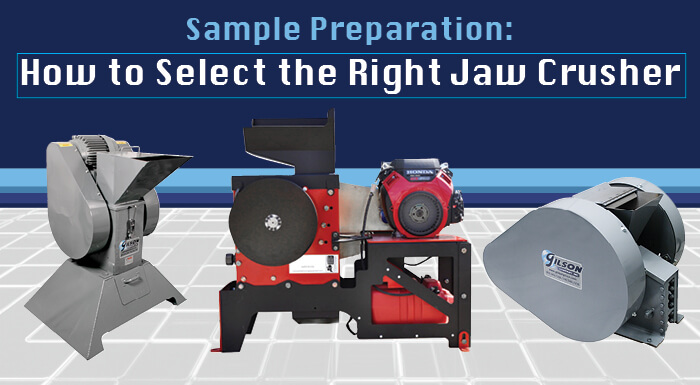
The selection of the best jaw crusher for your application will naturally be governed by the particle size, volume, and properties of your bulk material, along with the desired particle size and quantity of the final sample. In this blog, we help you select the right jaw crusher for your testing application.