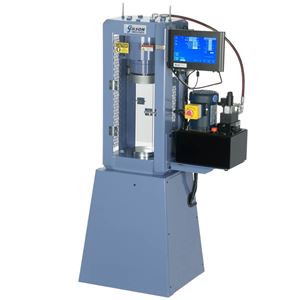


In this month's blog post we will focus on standard-cure cylinders made for compressive strength acceptance testing. Including the importance of cylinder testing, a quick guide on the procedure, and the equipment needed in the field and lab.
Have questions about your materials testing equipment? We have the answers to these questions and much more right here! Check back monthly for long-form blog posts, how-to guides and infographics. We’ll address industry insights, the operation and maintenance of specific equipment, and our product line recommendations, all designed to better serve you.
Bookmark this page, add it to your RSS reader, or subscribe to our newsletter, so you never miss a hot topic.
In this month's blog post we will focus on standard-cure cylinders made for compressive strength acceptance testing. Including the importance of cylinder testing, a quick guide on the procedure, and the equipment needed in the field and lab.
Advances in technology continue to refine concrete cover meters and rebar locators, which have been around for decades and used to locate and identify concrete reinforcing steel accurately. They are integral to nondestructive evaluations of reinforced concrete structures and pavements to prevent damage to the reinforcing steel within the structure when drilling or cutting reinforced concrete. This blog post explores the features and capabilities of some of these popular instruments.
In this month's blog, we examine the civil engineering laboratory equipment needed for typical operations performed where field laboratories for construction materials testing are required. With so many possible variations in specific project requirements, we break it down by application.
In this blog, it will discuss setting up and furnishing temporary field-testing labs with essential laboratory equipment. Field labs are generally limited to a few particular tests, but no matter the material, most require the same essentials to measure properties like size, weight, and moisture.
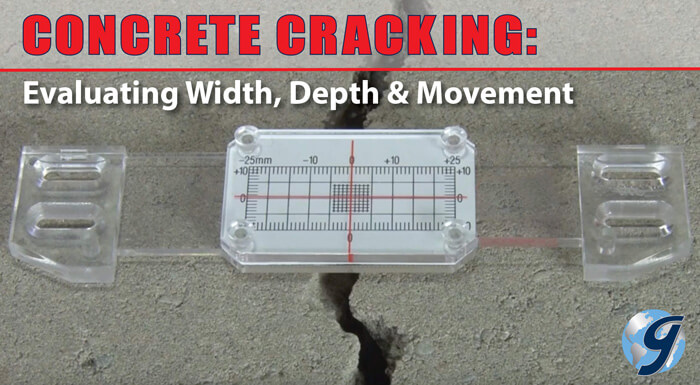
Cracks in concrete are so common that they're practically inevitable. The good news is, not all of them are bad. The bad news is, sometimes it's hard to tell the difference. In this blog post, we will discuss how best to measure and monitor cracks and select the best equipment for the job.
"…[Hydraulic] cement can't be characterized as just one material."
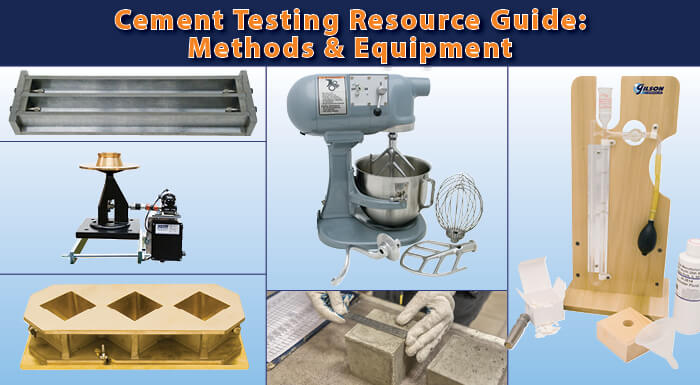
In this blog, we discuss what specifications define hydraulic cement and their use, as well as test methods and which testing equipment to use for your test application.
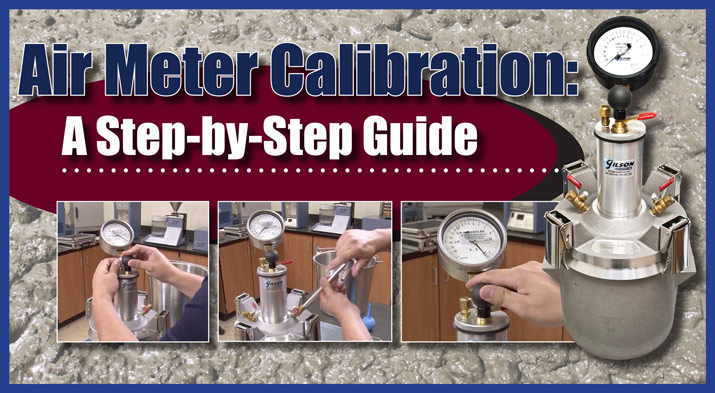
In this blog, concrete air meter calibration will be broken down into everyday language in such a way where the practice won't be tough to carry out and won't take long either.
Testing for air content is always recommended to profile characteristics of the admixtures in concrete. In this blog, we discuss what, why, and how to perform such test methods for concrete air testing.
He's the professor who's passionate about concrete! In this exclusive Gilson interview, Dr. Tyler Ley discusses some of the history of concrete testing, his incredibly entertaining and informative videos on YouTube, and how he invented one of the industry's most innovative tools - the Super Air Meter!
When designing concrete mixes, fineness modulus of the fine aggregate alone is required for effective proportioning of mixes. This blog post explores the process of determining and calculating fineness modulus, and how to accordingly select proportions of coarse aggregate.