




How Concrete Maturity Can Help Concrete Testing Applications
Concrete maturity is a nondestructive test method that reliably estimates concrete strength development in real time. The procedure compares the time-temperature curing history with the compressive strengths of laboratory-prepared specimens to predict the early-age strength of concrete in structures and pavements.
The temperature history of concrete, plotted over time, determines its maturity and allows reliable observations of its strength development. ASTM C1074 defines the maturity test as "a technique for estimating concrete strength based on the assumption that samples of a given concrete mixture attain equal strengths if they attain equal values of the maturity index."
Tracking Concrete Strength Development
Accurate estimates of in-place concrete strength are invaluable for implementing safe, efficient construction scheduling. The strength development of a concrete mix design can be tracked by testing multiple compressive strength specimens at prescribed age intervals. If the temperature history of the specimens is tracked at the same time, a maturity index can be established mathematically and correlated with the break tests to predict compressive strength at any age. Maturity testing allows accurate strength estimates of in-place concrete, even under radically different curing environments.
Estimating the early-age strength of concrete with the maturity method is not new. Sustained monitoring of concrete curing temperatures for strength determinations has been practiced since the 1950s, but collecting and reducing suitable time-temperature field data in those early days was cumbersome and time-consuming.
The evolution of remote electronic sensors, logging devices, and wireless data transmission has made all aspects of maturity testing more accessible and easier to implement. Modern wireless sensors embedded in the concrete use Wi-Fi, Bluetooth™, and cellular technologies to collect, compute, and report concrete maturity values to stakeholders anywhere in the world.
Concrete Maturity Testing vs Concrete Cylinders
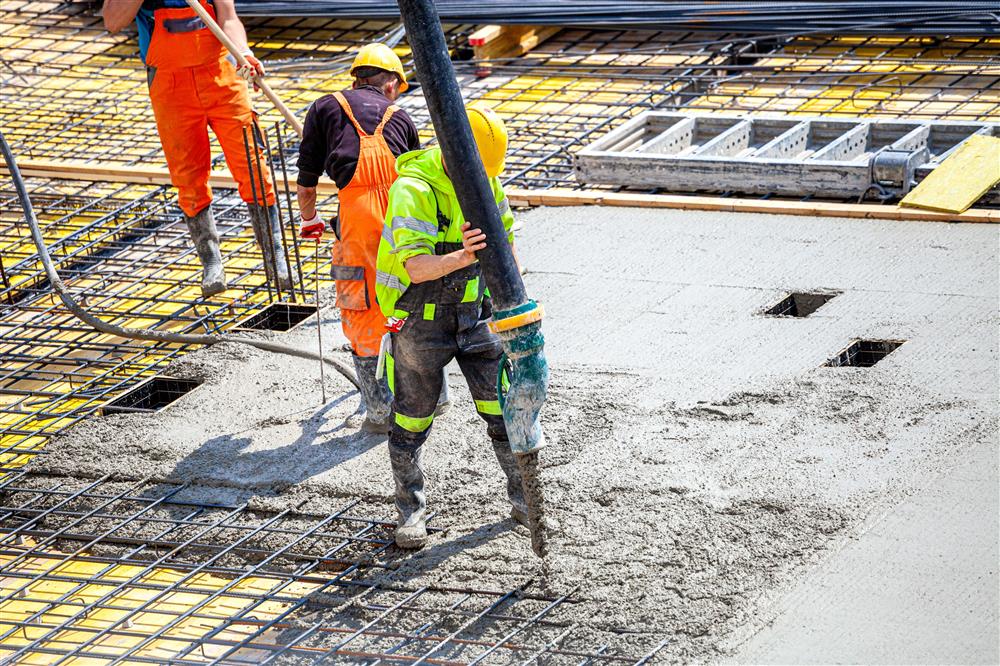
For safety and structural integrity, newly placed concrete must achieve a reliable level of strength before operations such as form removal, reshoring of structural slabs, post-tensioning, or application of traffic loads on pavement can commence. The consequences of removing falsework or applying loads before the concrete can safely support itself range from minor damage to the disastrous collapse of the structure. Clearly, an accurate and timely method of estimating actual strength is required to undertake these critical activities safely.
Most conventional strength tests are meant to assess the quality of the concrete delivered to the project and verify that mix specifications have been met. Cylinder or beam samples molded when the concrete is delivered to the job site are cured and later tested at specific ages for compressive or flexural strength. These strength tests produce snapshots that compare current characteristics with expected milestones in development.
The strength samples cure on-site for up to 48 hours in specified conditions, and final curing takes place in controlled laboratory conditions following the requirements of ASTM C31. Meanwhile, the concrete placed on the project cures under a much wider range of environmental conditions. So, laboratory tests reflect the potential strength of the concrete, but the same mix placed in the structure may take longer to achieve the same strength.
By contrast, maturity testing provides reliable up-to-the-minute concrete strength information at any point during the curing process, from a few hours to 28 days or more. Form removal and reshoring work is expedited, and pavements and slabs can be put into service sooner. Advanced systems make strength data available instantly to contractors, engineers, architects, owners, or any stakeholder with authorized access.
The timeliness of form removal might also be judged on early-age tests of field-cured acceptance cylinders, a method permitted in C31. However, field-cured specimens have a much smaller mass compared to the structural concrete, and often respond differently to the same environmental conditions. Tracking concrete maturity as it approaches or exceeds its required strength provides proven and reliable information for critical decisions on form removal, temporary shoring, and overall quality control.
Implementing Maturity Testing
Several standard test methods relate to concrete maturity testing procedures:
- ASTM C1074 Standard Practice for Estimating Concrete Strength by the Maturity Method
- ASTM C918 Standard Test Method for Measuring Early-Age Compressive Strength and Projecting Later-Age Strength
- AASHTO T 325 Standard Method of Test for Estimating the Strength of Concrete in Transportation Construction by Maturity Tests
- AASHTO T 276 Standard Method of Test for Measuring Early-Age Compression Strength and Projecting Later-Age Strength
Deploying maturity sensors before concrete placement is a straightforward operation. Prior to concrete placement, maturity sensors are attached to reinforcing steel bars or other embedments within the limits of the concrete placement or inside the formwork. Details of sensing and data collection instruments vary widely in design and in the type of temperature sensor used. In most cases, some portion of the sensors will remain in the hardened concrete at the conclusion of testing.
Retrieval of maturity data often requires being present at the project site to collect values via a wired or wireless connection to the sensing equipment. The Contemp Maturity System from Gilson makes data available via a direct cellular connection, eliminating costly site visits. The system also generates user-selectable temperature alarms and automatically pushes test data to the cloud.
Gilson Is Here to Help
Contact our testing experts for more information or to discuss your testing application.
Testing Resources
Standard Test Methods, Specifications, and Practices
Individual test methods and specifications referenced in our product descriptions, blog articles, and videos are available for review or purchase from the professional organizations noted.
- ASTM International (American Society for Testing and Materials)
- AASHTO (American Association of State Highway and Transportation Officials)
- ACI (American Concrete Institute)
- State DOTs (Departments of Transportation)
- ISO (International Organization for Standardization)
- BS (British Standards)
- EN (European Standards)